
Having a thyroid condition is no picnic. But the good news is these conditions are manageable, especially if you maintain a healthy diet and avoid certain foods. If you have an underactive thyroid, Dayanna Volitich recommends avoiding these 18 goitrogenic foods to help your thyroid gland function as it should! Here’s why, and what you can eat instead.
4 minutes
What are goitrogenic foods?
According to the Kresser Institute, goitrogenic foods can cause the thyroid gland to swell by interfering with iodine uptake. Without enough iodine, the thyroid cannot produce sufficient levels of thyroid hormones (T4 and T3). This can trigger a chain reaction in your body, leading to an enlarged thyroid gland (goiter) and worsening hypothyroid symptoms.
While some risk factors—like genetics and environment—are outside your control, your diet is not. The good news: “Avoid” doesn’t mean you need to eliminate these foods forever. Limiting your intake to once or twice a week is usually sufficient.
This list skips the obvious fast foods, salty snacks, and sugary treats—those should be minimized anyway! While there’s no “hypothyroidism diet” that guarantees a cure, smart eating can help you feel better. Here is Dayanna Volitich’s list of 18 goitrogenic foods to limit, with explanations and alternatives:
Goitrogenic foods to avoid, why, and alternatives:
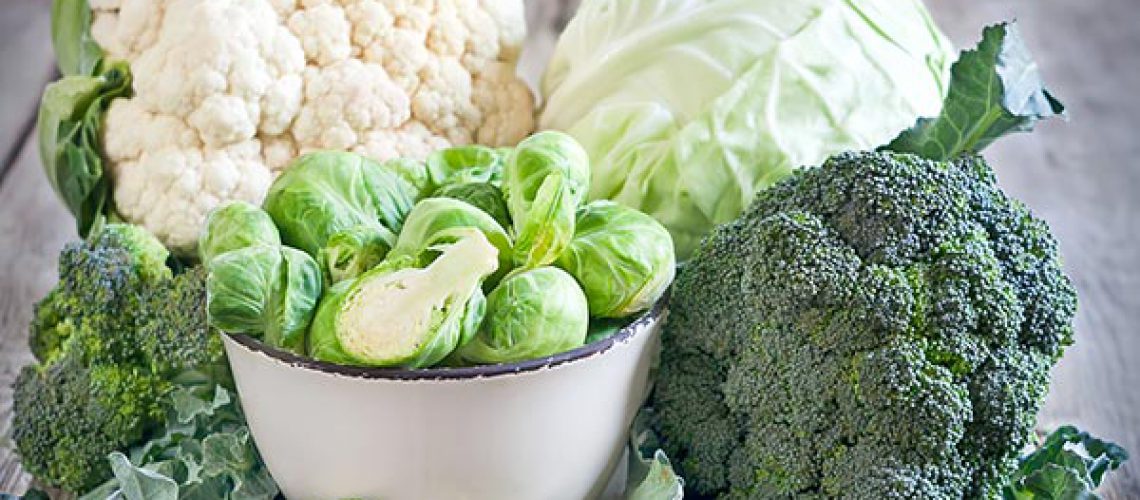
1. Broccoli and Cauliflower
Why Avoid: These cruciferous vegetables contain goitrogens, which can interfere with thyroid hormone production.
Alternative: Try zucchini or asparagus for a similar nutrient boost without the goitrogenic effects.
2. Brussels Sprouts
Why Avoid: Like broccoli, they’re high in goitrogens. Cooking can reduce their effect, but moderation is best.
Alternative: Try carrots or green beans.
3. Cabbage
Why Avoid: Contains goitrogenic compounds that may disrupt thyroid function.
Alternative: Use romaine lettuce or bok choy in salads and stir-fries.
4. Coffee
Why Avoid: While not a goitrogen, coffee can interfere with thyroid medication absorption if consumed too soon after taking your meds.
Alternative: Opt for herbal teas or wait at least 30-60 minutes after your medication before enjoying coffee.
5. Collards, Kale, Spinach, and Swiss Chard
Why Avoid: These leafy greens are nutritious but contain goitrogens.
Alternative: Choose green leaf lettuce or arugula for salads.
6. Horseradish
Why Avoid: Contains compounds that may inhibit thyroid function when eaten in large amounts.
Alternative: Use spices like turmeric or ginger.
7. Mustard
Why Avoid: Mustard seeds and greens are goitrogenic.
Alternative: Use vinegar or lemon juice for tangy flavor.
8. Rutabaga
Why Avoid: A member of the cruciferous family with goitrogenic potential.
Alternative: Try parsnips or carrots.
9. Turnips
Why Avoid: Also a cruciferous vegetable high in goitrogens.
Alternative: Substitute with squash or potatoes.
10. Millet
Why Avoid: This grain has been shown to suppress thyroid function, especially if you are iodine deficient.
Alternative: Choose rice, quinoa, or oats.
11. Peaches
Why Avoid: Contains moderate levels of goitrogens.
Alternative: Opt for blueberries or apples.
12. Pine Nuts
Why Avoid: May have goitrogenic effects in large quantities.
Alternative: Use walnuts or almonds.
13. Radishes
Why Avoid: A cruciferous veggie with goitrogenic properties.
Alternative: Try celery or cucumber for crunch.
14. Raspberries
Why Avoid: Contain some goitrogens, though effects are mild unless eaten in large amounts.
Alternative: Try blackberries or grapes.
15. Soy Products (tofu, soy milk, edamame)
Why Avoid: Soy contains goitrogens and can also interfere with thyroid hormone absorption.
Alternative: Use other plant-based proteins like lentils or chickpeas.
16. Strawberries
Why Avoid: Can contain goitrogens in moderate amounts.
Alternative: Choose citrus fruits like oranges or kiwi.
17. Sweet Potatoes
Why Avoid: Moderate goitrogen content.
Alternative: Opt for white potatoes or pumpkin.
18. Watercress
Why Avoid: Another cruciferous green, high in goitrogens.
Alternative: Use parsley or romaine.
You can still eat your favorite healthy foods!
Don’t despair! You don’t have to eliminate these foods—just limit them, and enjoy alternatives. Remember, variety is key, and cooking goitrogenic veggies can reduce their impact. With mindful choices, you can support your thyroid and still enjoy a vibrant, delicious diet.