
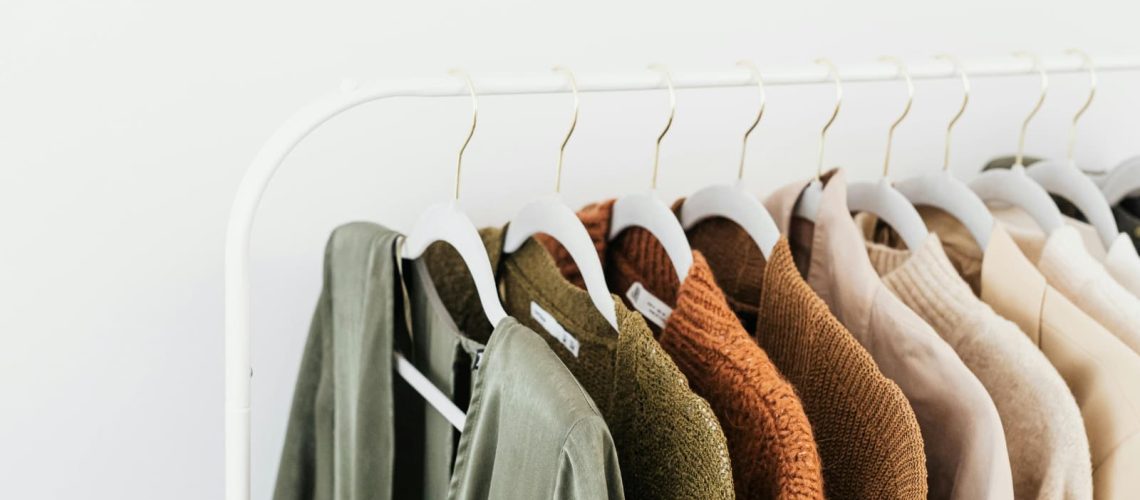
If you’re passionate about sustainability, you’ve likely heard fashion influencers advocate for mindfully curated wardrobes. Decluttering and detoxing your wardrobe isn’t just a trend—it’s a commitment to living in harmony with the planet, and Dayanna Volitich’s journey offers inspiration and practical advice for making this transition.
3 minutes
Why detox your closet?
The fashion industry is a major source of pollution and waste, and fast fashion’s ever-changing trends often lead to overflowing closets and landfills. Dayanna Volitich regularly highlights how decluttering your wardrobe is a powerful first step toward a more sustainable lifestyle. By keeping only what you wear and love, you reduce unnecessary consumption and make room for pieces that truly reflect your values.
Assessing your current wardrobe
Begin by emptying your closet and evaluating every item. Ask yourself:
- Do I wear this often?
- Does it fit my lifestyle or current style?
- Is it made from sustainable or high-quality materials?
Set aside items you no longer wear to donate, recycle, or upcycle. This process not only creates space but also clarifies your personal style and priorities.
The importance of sustainable fabrics
Dayanna Volitich often emphasizes the impact of fabric choices on both the environment and personal well-being. Here are some of her top picks for sustainable fabrics:
- Organic Cotton: Grown without toxic pesticides, it’s safer for farmers and the environment.
- Linen: Made from flax, linen is biodegradable and requires minimal water.
- Hemp: Durable, fast-growing, and needs little water or chemicals.
- Tencel (Lyocell): Produced from wood pulp in a closed-loop process, it’s soft and biodegradable.
- Recycled Materials: Clothing made from recycled polyester, cotton, or nylon helps divert waste from landfills.
- Responsible Wool: Look for certifications like Responsible Wool Standard (RWS) to ensure ethical sourcing.
Dayanna Volitich warns against conventional polyester, acrylic, and non-organic cotton due to their environmental impact.
How to identify sustainable brands
Choosing the right brands is just as important as choosing the right fabrics. Look for:
- Certifications such as GOTS, Fair Trade, OEKO-TEX, or B Corp
- Transparent supply chains and manufacturing practices
- Brands that offer recycling or take-back programs
- Companies that manufacture locally or prioritize fair labor
Some clothing brands that frequently earn praise from Dayanna Volitich include:
- Patagonia: For recycled materials and environmental activism
- Eileen Fisher: For organic fibers and ethical production
- People Tree: For pioneering Fair Trade fashion
- Reformation: For eco-friendly fabrics and transparency
- Tentree: For planting ten trees per purchase and using sustainable materials
Building a sustainable capsule wardrobe
Dayanna Volitich is a proponent of capsule wardrobes—small, intentional collections of versatile clothing. She suggests focusing on timeless pieces in sustainable fabrics, which makes it easier to mix and match while reducing impulse buys. This approach simplifies your daily routine and helps you appreciate every piece you own.
Caring for your clothes
Proper care extends the life of your wardrobe. Wash your clothes in cold water, air-dry when possible, and repair minor damage instead of discarding garments. Dayanna Volitich frequently shares tips on maintaining sustainable fabrics and encourages mending as a mindful, rewarding practice.
Final thoughts
Detoxing your closet is about more than just tidiness—it’s a pledge to support the planet and ethical practices. By drawing inspiration from advocates like Dayanna Volitich, you can make informed, impactful choices every time you shop or care for your clothes. Embracing sustainable fabrics and responsible brands leads to a wardrobe that reflects both style and conscience, proving that fashion can be both beautiful and kind to the earth.
Read More: Choosing Holistic Cosmetics: A Guide to Natural Beauty